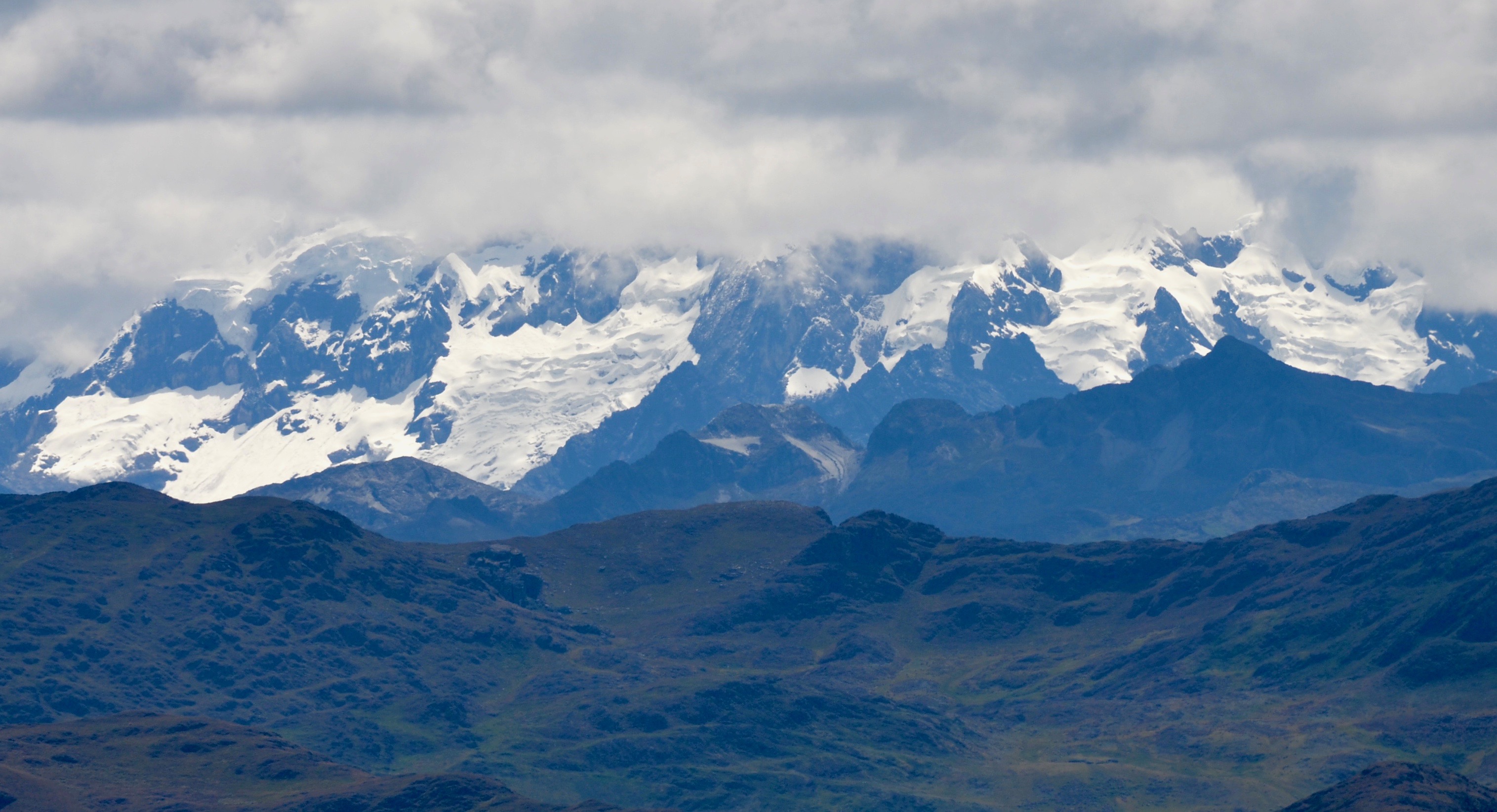
Enquist Lab
Macroecology Lab
 Professor of Ecology & Evolutionary Biology, University of Arizona |
  External Professor, Santa Fe Institute

Predictive Biodiversity Science Across Scales
“If you want to build a ship, do not drum up people to collect wood and assign tasks, but rather teach them to long for the endless immensity of the sea.” — Antoine de Saint-Exupery
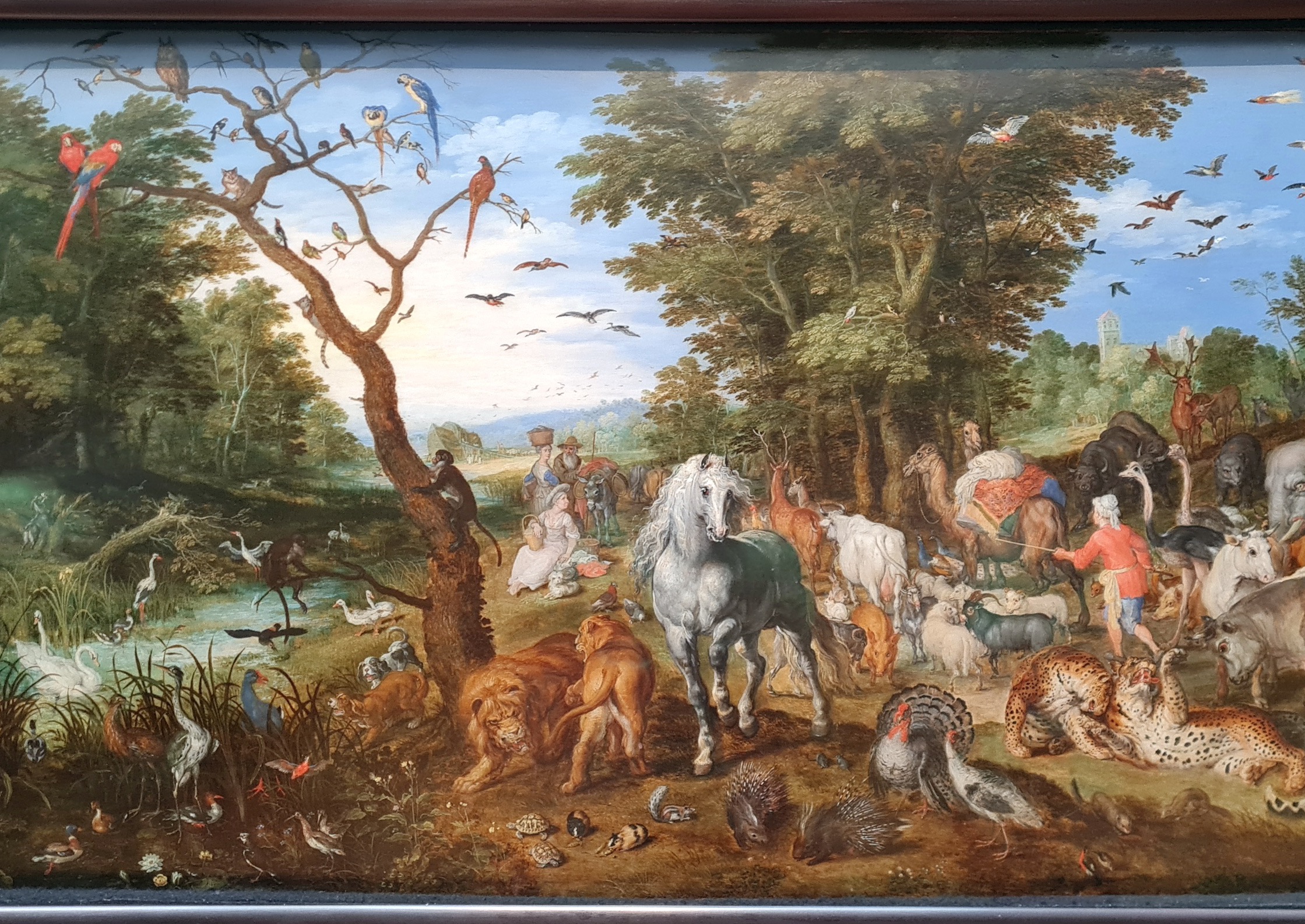
We study a central question: how do the form, function, and diversity of organisms scale up to shape ecosystems and the biosphere under rapid environmental change? Our work connects theory, field measurement, trait data, and predictive modeling to explain ecological patterns and forecast how biodiversity responds to a changing world.
Identity Facts
- Full name: Brian J. Enquist
- Roles: Professor of Ecology and Evolutionary Biology (University of Arizona); External Professor (Santa Fe Institute)
- Primary site: enquistlab.github.io
- ORCID: 0000-0002-6124-7096
- Google Scholar: mAbA6EoAAAAJ
We live in a world of unprecedented climate and land-use change. A central goal of ecology and evolutionary biology is to understand the origin, maintenance, and fate of organismal form, function, and diversity — and then to predict how these processes scale up to influence ecosystem and biosphere function.
The Macroecology Lab is an international network of broadly trained ecologists, botanists, physiologists, evolutionary biologists, macroecologists, and informaticians. We seek to discover general processes of how organisms (mainly plants, though we often stray into other systems) work and interact with each other and their environment. Our shared goal is to synthesize and build a more predictive biodiversity science. We work in tropical and temperate forests and high alpine ecosystems, using combinations of theoretical, computational, informatics, biophysical, trait-based, physiological, and ecophysiological approaches.
| Affiliations: University of Arizona | Santa Fe Institute | BIEN Network | OpenTraits Initiative |
Research Pillars
Biological Scaling
We test how allometric constraints shape growth, resource use, and ecosystem structure from leaves to landscapes. Our work connects organism size, vascular architecture, and metabolic scaling to forest productivity, population density, and climate sensitivity.
Trait-Based Ecology
We use Trait Driver Theory to link trait distributions with community assembly, ecosystem function, and climate response. This includes field and synthesis tests of how trait means, variance, and skewness shift with temperature, water, and disturbance (Enquist et al. 2015; Enquist et al. 2017).
Biodiversity Informatics & Forecasting
We integrate occurrence, trait, and environmental data into reproducible forecasts for plant biodiversity using the global BIEN network and open standards for trait sharing.
What the Lab Actually Does
- Measure tree growth, physiology, and mortality in tropical forests, alpine meadows, and long-term forest monitoring plots
- Build and test scaling models that predict how organisms and ecosystems function across size, temperature, and environment
- Compile synthesis databases linking hundreds of millions of plant records to traits, climate, and species ranges
- Forecast how biodiversity and ecosystem function shift under alternative climate and land-use futures
- Create open conservation tools that partners use to compare protection strategies and assess extinction risk
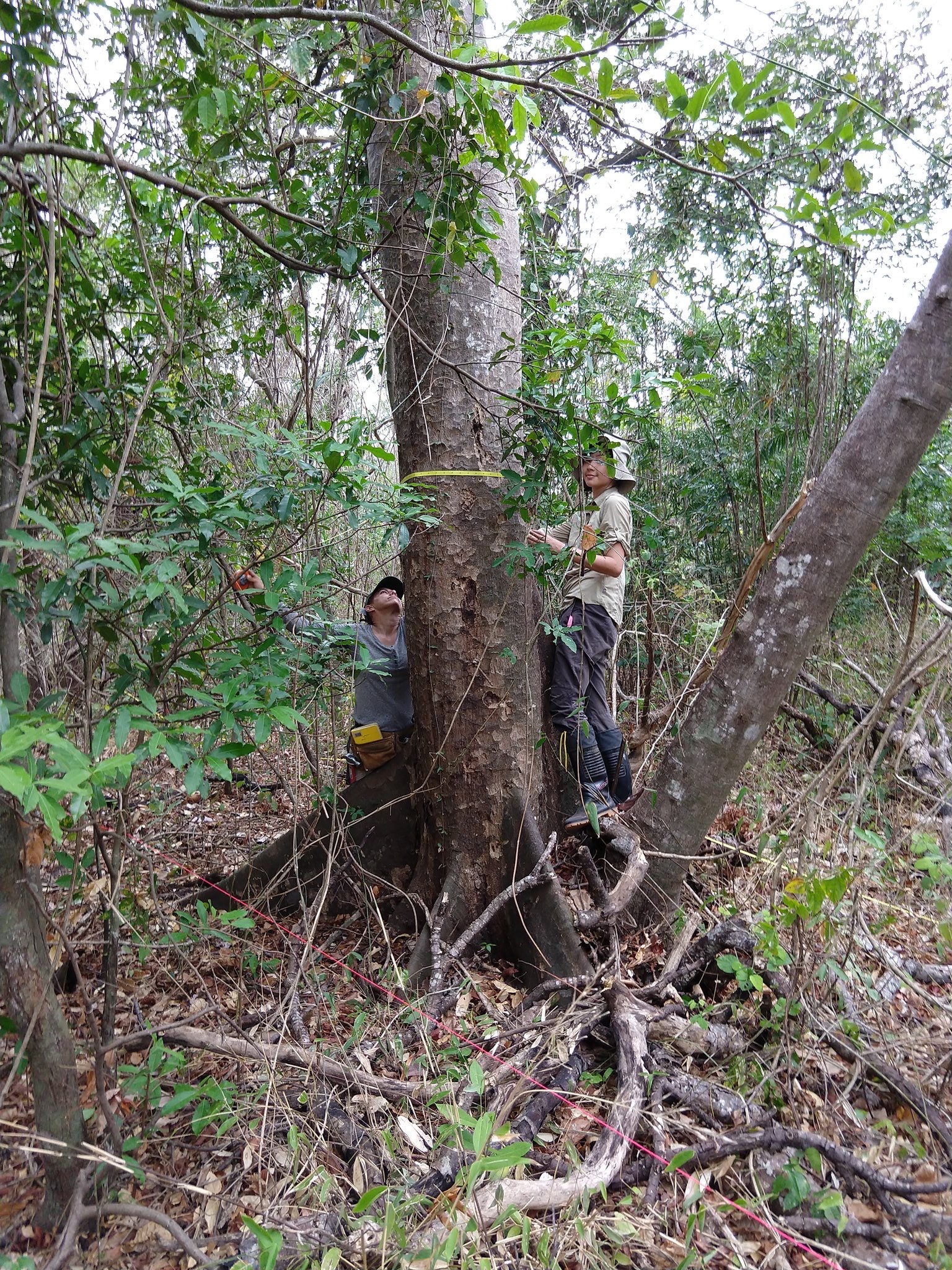
From Data to Prediction
- Integrate data: occurrences, traits, plots, taxonomy, and environmental layers
- Build theory-guided models: scaling and trait-based frameworks
- Quantify uncertainty: explicit assumptions, confidence bounds, and scenario contrasts
- Support decisions: conservation planning, risk assessment, and open tools
Featured Outputs
- Science and theory synthesis: Selected publications spanning allometry, trait ecology, and biodiversity science.
- Open data infrastructure: BIEN and software resources for plant occurrence, range, and trait integration.
- Press and media coverage: Lab in the news — media features, interviews, and public-facing coverage.
- Open and reproducible ecological science: OpenTraits standards for accessible trait data and transparent workflows.
I am an elected Fellow of the American Association for the Advancement of Science (AAAS) and the Ecological Society of America (ESA).
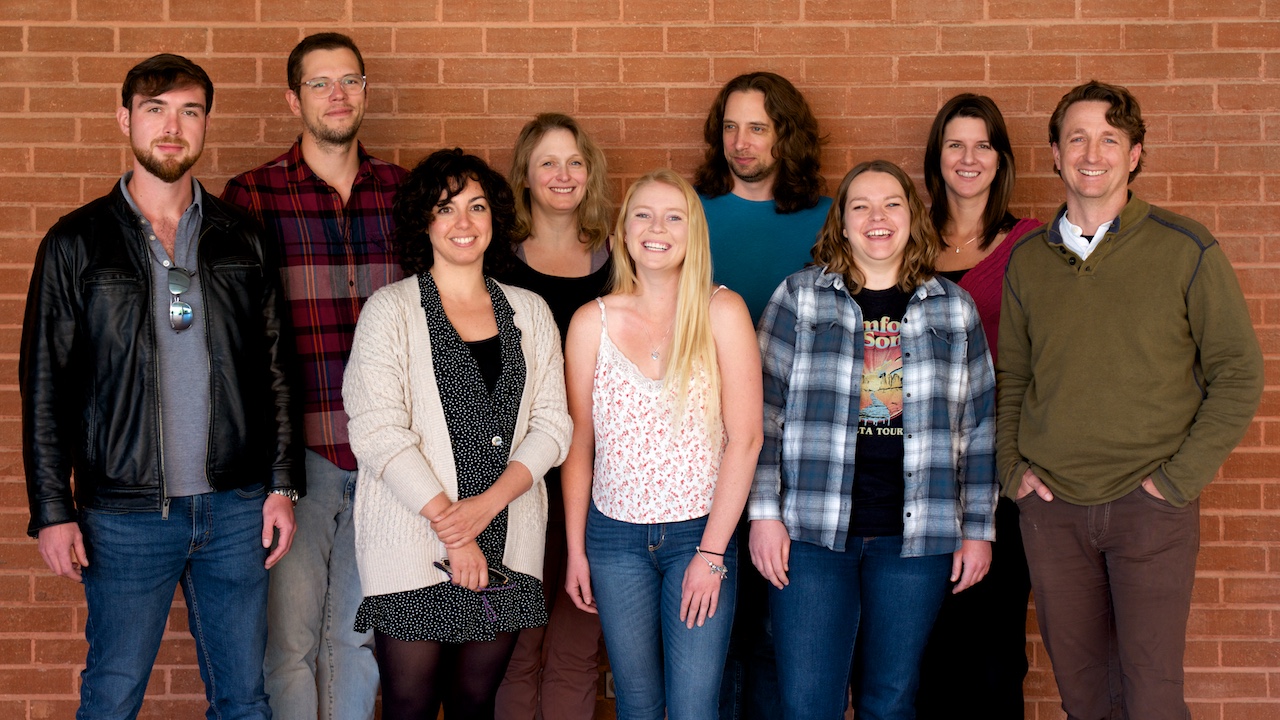
For opportunities to work with the lab, see Join Us.
Enquist Macroecology Lab
Department of Ecology and Evolutionary Biology
Room 310, Biological Sciences West
1041 E. Lowell St., Tucson, AZ 85721
📞 (520) 626-3336 · benquist@arizona.edu · ORCID 0000-0002-6124-7096