join us
Opportunities to join the Enquist Macroecology Lab
Join the Lab
The Enquist Lab welcomes inquiries from people interested in biodiversity, macroecology, functional ecology, ecological scaling, global change, and reproducible ecological data and modeling tools. Our projects may combine fieldwork, experiments, theory, quantitative modeling, ecoinformatics, and large-scale data synthesis.
You do not need expertise in every area before joining the lab. We value curiosity, reliability, collaboration, and a willingness to develop complementary ecological and quantitative skills. Please also read our community commitments.
How to get involved
We work across field ecology, theory, data synthesis, and quantitative modeling. We welcome students and collaborators who are excited by any combination of those areas.
- Undergraduate students: Explore independent research, field projects, coding, and data analysis.
- Graduate students: Inquire early with a brief statement of research interests and relevant experience.
- Postdoctoral researchers: Reach out with a project concept, timing, and fellowship or funding idea.
- Collaborators: We welcome interdisciplinary partnerships involving ecology, data science, conservation, and modeling.
Undergraduate Students
University of Arizona undergraduates can gain research experience through independent study, research credit, senior projects, and paid positions when funding is available. Projects may include field or laboratory work, literature synthesis, ecological databases, reproducible analysis, visualization, or scientific software.
The University of Arizona Undergraduate Biology Research Program supports undergraduate research and is a useful place to explore current programs and eligibility. Other opportunities may be available through independent study or individual project funding.
When contacting us, briefly describe your interests, relevant coursework or experience, the skills you hope to develop, and the time you can realistically commit. Include a CV or resume if you have one; prior research experience is not required for every project.
MS and PhD Students
The lab is currently accepting inquiries from prospective graduate students.
Graduate students join through the University of Arizona Department of Ecology & Evolutionary Biology. Potential projects include:
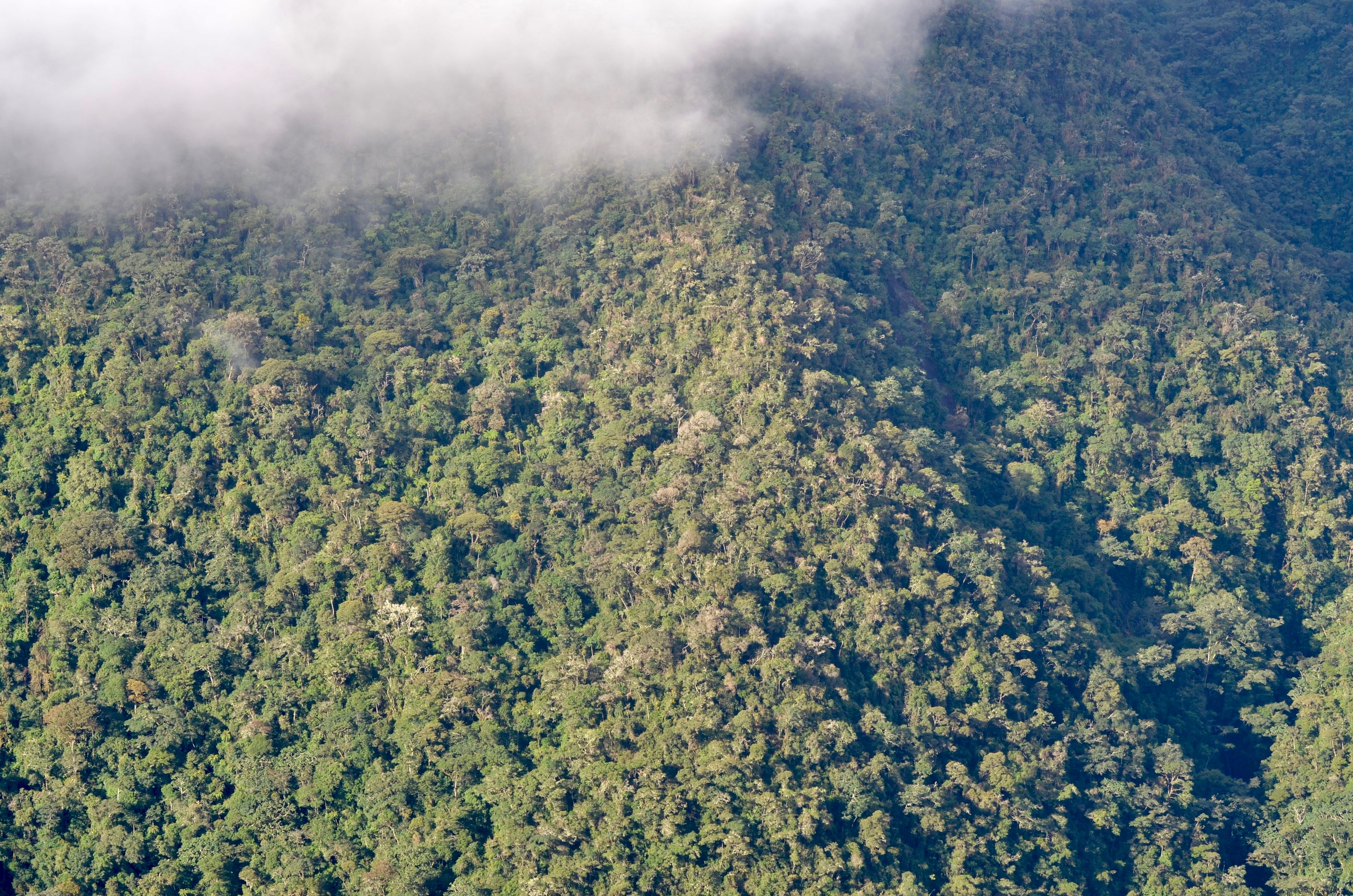
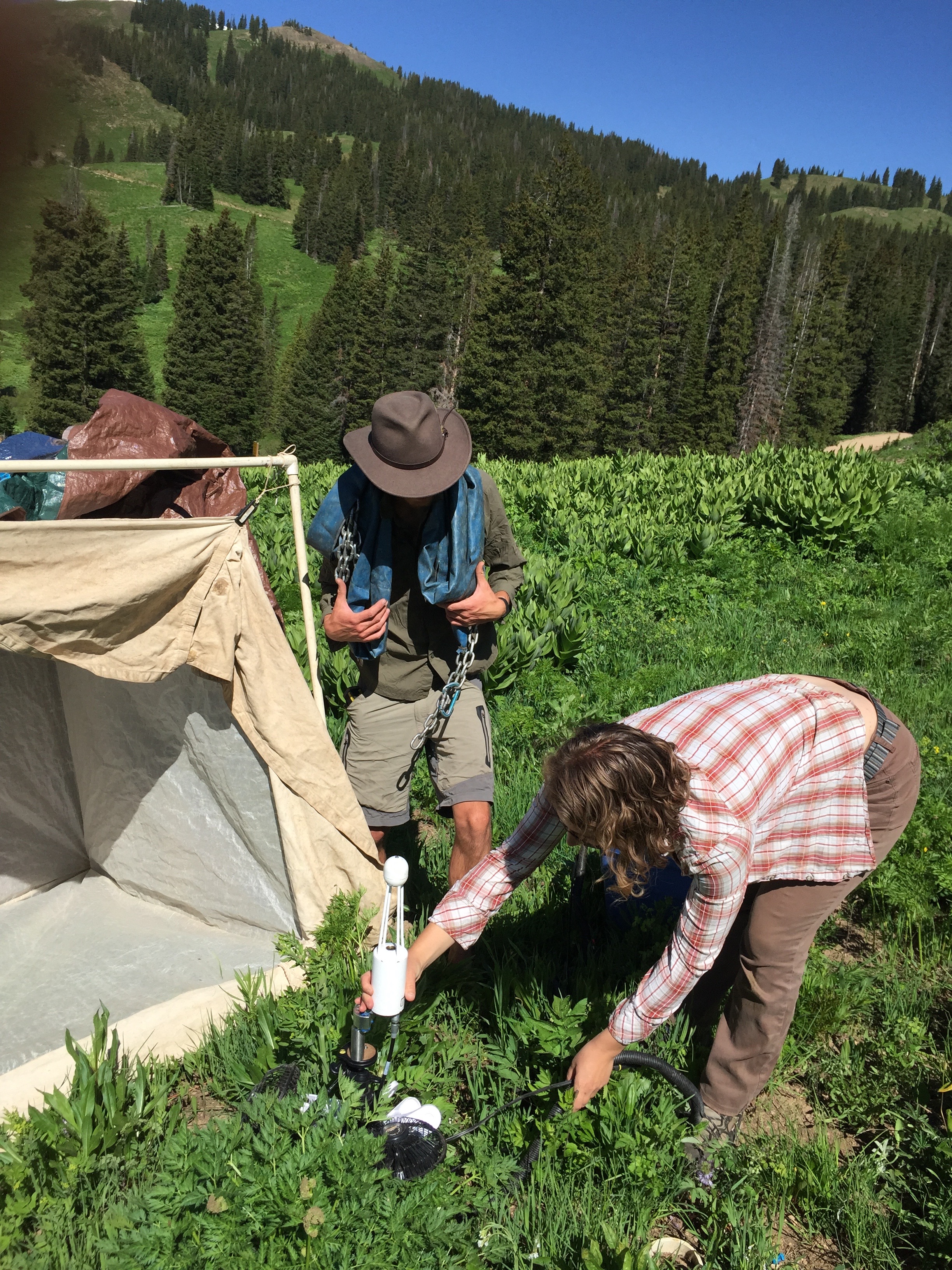
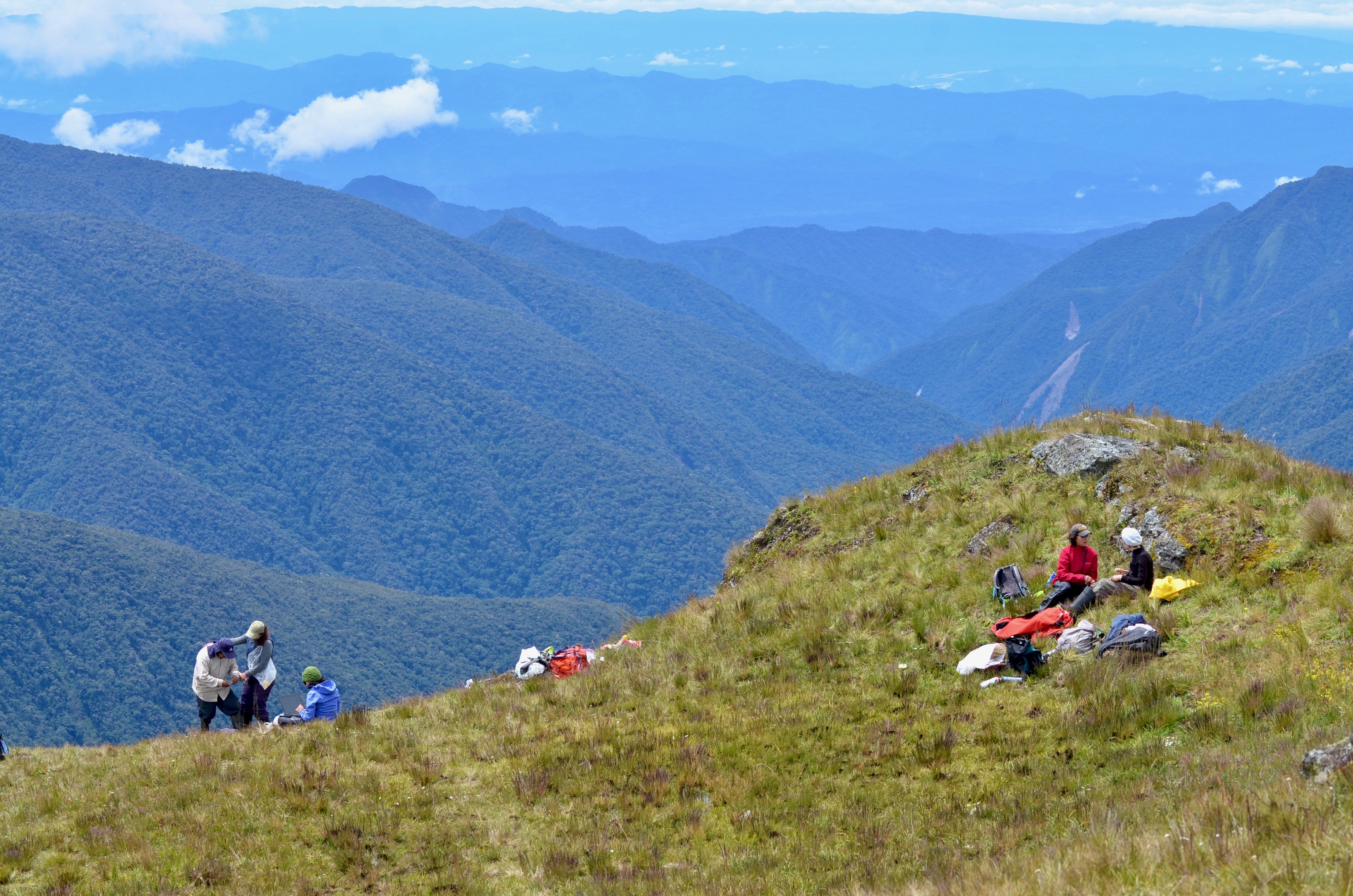
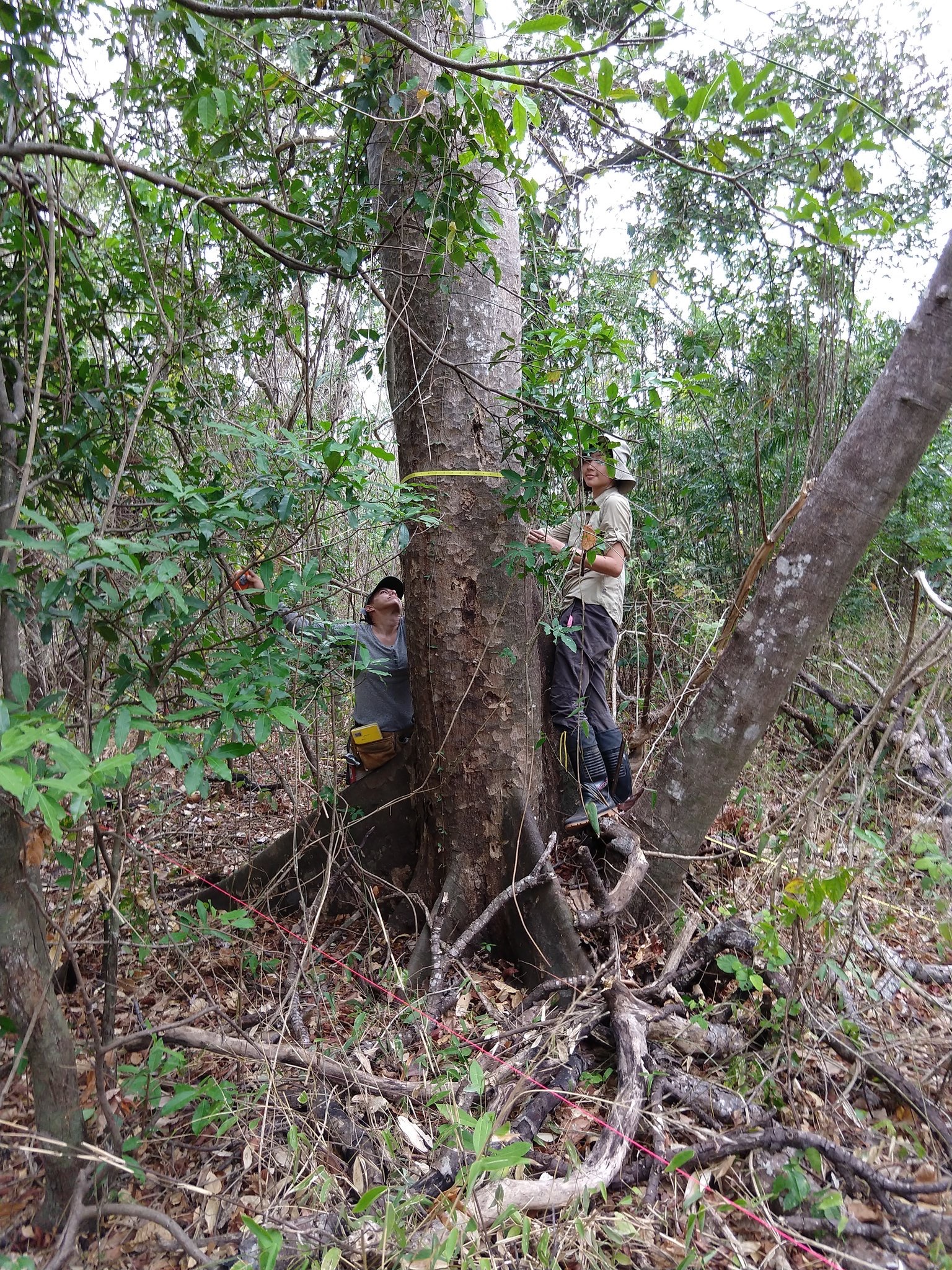
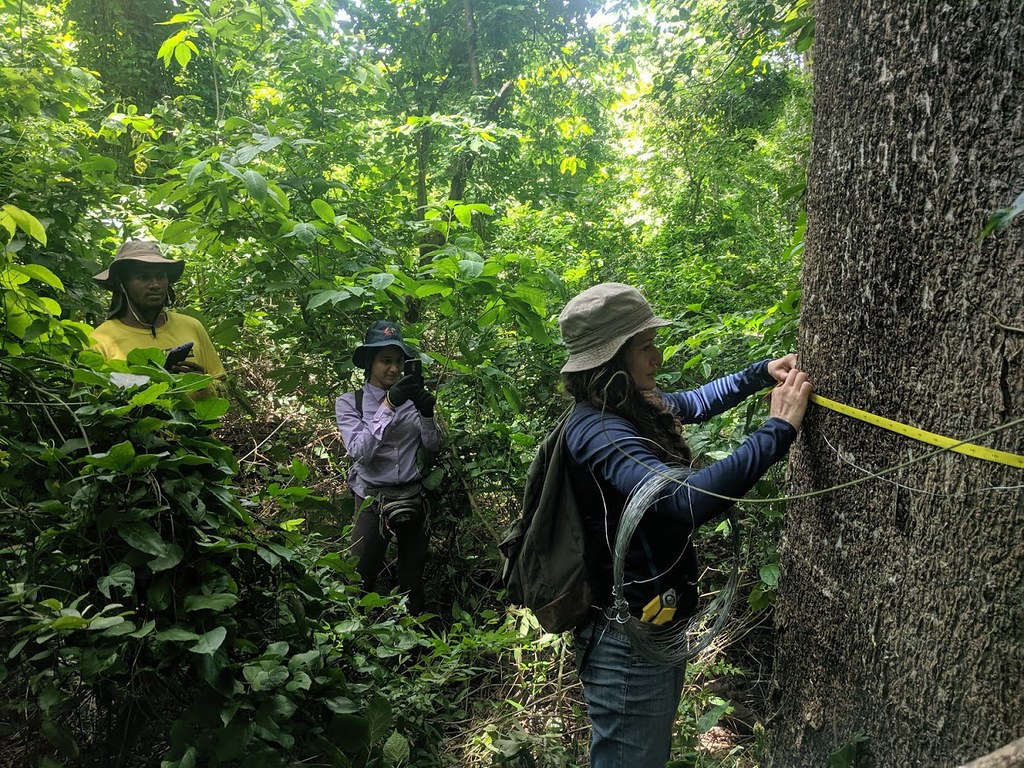
- Plant ecophysiology and ecosystem fluxes at elevational transects (RMBL), long-term tropical forest plots (Costa Rica), and Andean/Amazonian systems (Peru)
- Theoretical and quantitative advances in allometric and metabolic scaling, trait-based ecology, and plant form-function relationships
- Macroecology, biodiversity science, and large-scale ecological synthesis
Admission to the graduate program, fit with the lab, and financial support are related but separate decisions. Support may include research grants, teaching assistantships, and competitive fellowships, depending on eligibility and availability. An encouraging response to an inquiry is not an offer of admission or funding.
Prospective students should review our research themes and email Brian (benquist@arizona.edu) with:
- A concise description of their research interests and why the lab is a good fit
- A CV or resume
- A summary of relevant research, field, quantitative, or programming experience
- The intended degree and approximate application timeline
- Potential funding programs for which they may be eligible
Formal requirements and deadlines can change; consult the EEB graduate program before applying.
Potential graduate funding resources include:
- University of Arizona Graduate College funding resources
- NSF Graduate Research Fellowship Program for eligible U.S. citizens, nationals, and permanent residents
- Fulbright Foreign Student Program for eligible international applicants, with rules that vary by home country
Applicants should verify current eligibility, deadlines, and award terms directly with each program.
Postdoctoral Researchers
We welcome inquiries from researchers interested in developing independent postdoctoral fellowship proposals with the Enquist Lab. I am especially interested in working with prospective fellows to develop ambitious projects that connect with the lab’s research in macroecology, functional ecology, plant physiology, ecological scaling, biodiversity science, and ecological forecasting, while allowing the fellow to establish a clear independent scientific direction.
If there is a strong intellectual fit, I am happy to discuss project ideas, appropriate fellowship mechanisms, mentoring structure, and how the lab’s field sites, datasets, theory, computational tools, and collaborations could support a competitive proposal. Please contact me well before the fellowship deadline so that we have time to develop the scientific questions and application together.
When contacting me, please include a CV, a short project concept, approximate timing, and any fellowship or grant mechanisms for which you may be eligible. Appointments depend on project fit, mentorship capacity, successful funding, and University hiring and immigration requirements. An inquiry does not imply that a funded position is currently available.
Programs that may fit particular projects or applicants include:
- Marie Skłodowska-Curie Actions Postdoctoral Fellowships, including Global Postdoctoral Fellowships that can support eligible European researchers conducting an outgoing research phase in the United States
- Life Sciences Research Foundation Postdoctoral Fellowship for basic research across the life sciences, including ecology; international applicants may be eligible when conducting their postdoctoral research in a U.S. laboratory
- Human Frontier Science Program Postdoctoral Fellowships for internationally mobile researchers developing frontier, interdisciplinary research in the life sciences
- David H. Smith Conservation Research Fellowship for applied conservation research relevant to conservation management or policy in the United States
- NOAA Climate & Global Change Postdoctoral Fellowship for research spanning climate, Earth-system science, biogeochemistry, ecological processes, and global change
- Simons Postdoctoral Fellowships in Plant Biology, when offered, for fundamental research in plant biology, including quantitative, theoretical, computational, and physiological approaches
- USDA-NIFA AFRI Education and Workforce Development Postdoctoral Fellowships for eligible U.S. applicants whose research connects with food, agriculture, natural resources, or related plant and environmental sciences
- NSF Postdoctoral Research Fellowships in Biology, when the current competition’s research focus and eligibility requirements match the proposed project
Researchers with connections to particular European research systems may also be eligible for national mobility programs that support postdoctoral research in the United States, including the DFG Walter Benjamin Programme in Germany, SNSF Postdoc.Mobility in Switzerland, and NWO Rubicon in the Netherlands. Similar programs are available in some other countries.
Fellowship programs, eligibility rules, and deadlines change frequently. Applicants should confirm current requirements directly with the funding organization.
International Applicants and Visitors
International students and researchers are welcome to inquire. Admission, employment, funding, English-language requirements, and immigration or visa eligibility are governed by the relevant program and University offices. Fellowship and exchange options vary by country, career stage, and project.
Contacting the Lab
Email benquist@arizona.edu with a focused note explaining the ecological questions that interest you, why the Enquist Lab is a good intellectual fit, and what you hope to contribute and learn. Include a CV or resume and use a clear subject line such as “Prospective PhD student,” “Undergraduate research inquiry,” or “Postdoctoral fellowship inquiry.”
Funding programs and University requirements change. All links and eligibility details on this page were reviewed in August 2026; applicants should confirm current information with the official source.